
Where to Invest vs. Where to Save in Your Home
A thoughtful approach to creating a home that feels elevated, without overcomplicating the process
You don’t need to do everything. You just need to do the right things well.
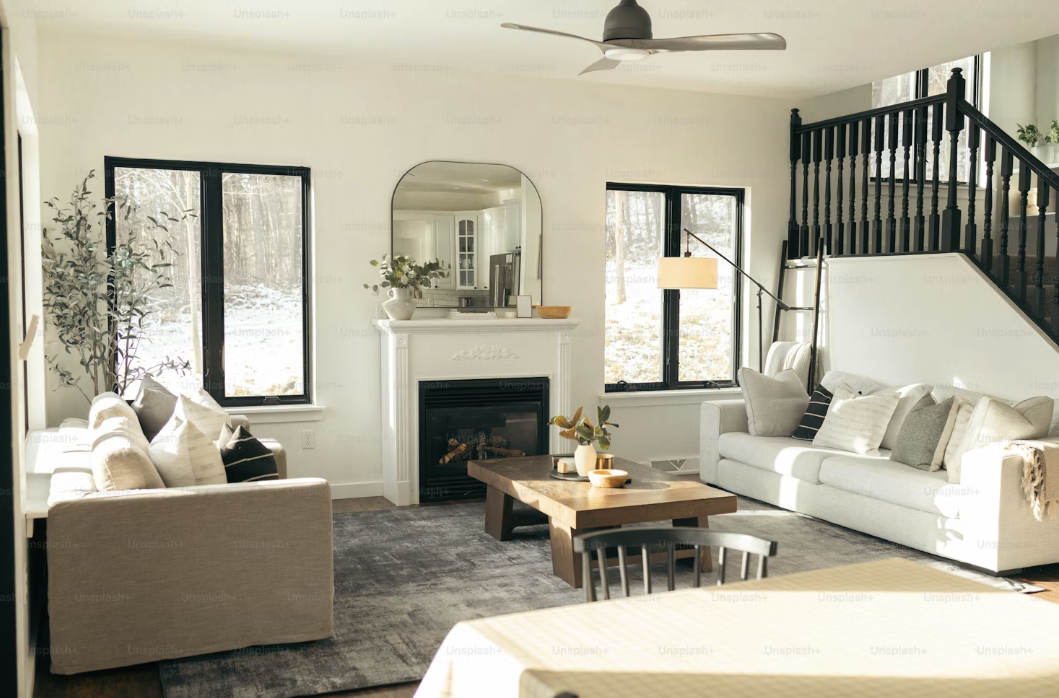
A few key furniture and decor pieces create a pleasing space for relaxing or entertaining. (Photo by Hans Isaacson)
One of the most common things I see is not a lack of style; it’s a lack of clarity. When everything feels important, it becomes harder to know where to focus, and decisions can start to feel overwhelming.
The good news is, creating a home that feels calm, cohesive, and joyful doesn’t require more; it requires intention.
Start with the Big Picture
Begin by taking a bird’s-eye view of your home and consider how you actually live in it. Think about how often you use each space: your kitchen, living room, office, or even a quiet reading nook.
The rooms used most should support you and how you want to feel. These are the areas worth investing in.
Where to Invest
What You Use Every Day
Within each room, ask yourself what gets used daily. These are typically your sofas, dining tables, beds, and chairs. In a home office, it may be your desk and chair.
Invest in comfort, quality, and timeless shapes for these foundational pieces. When they feel right, everything else in the room comes together more easily.
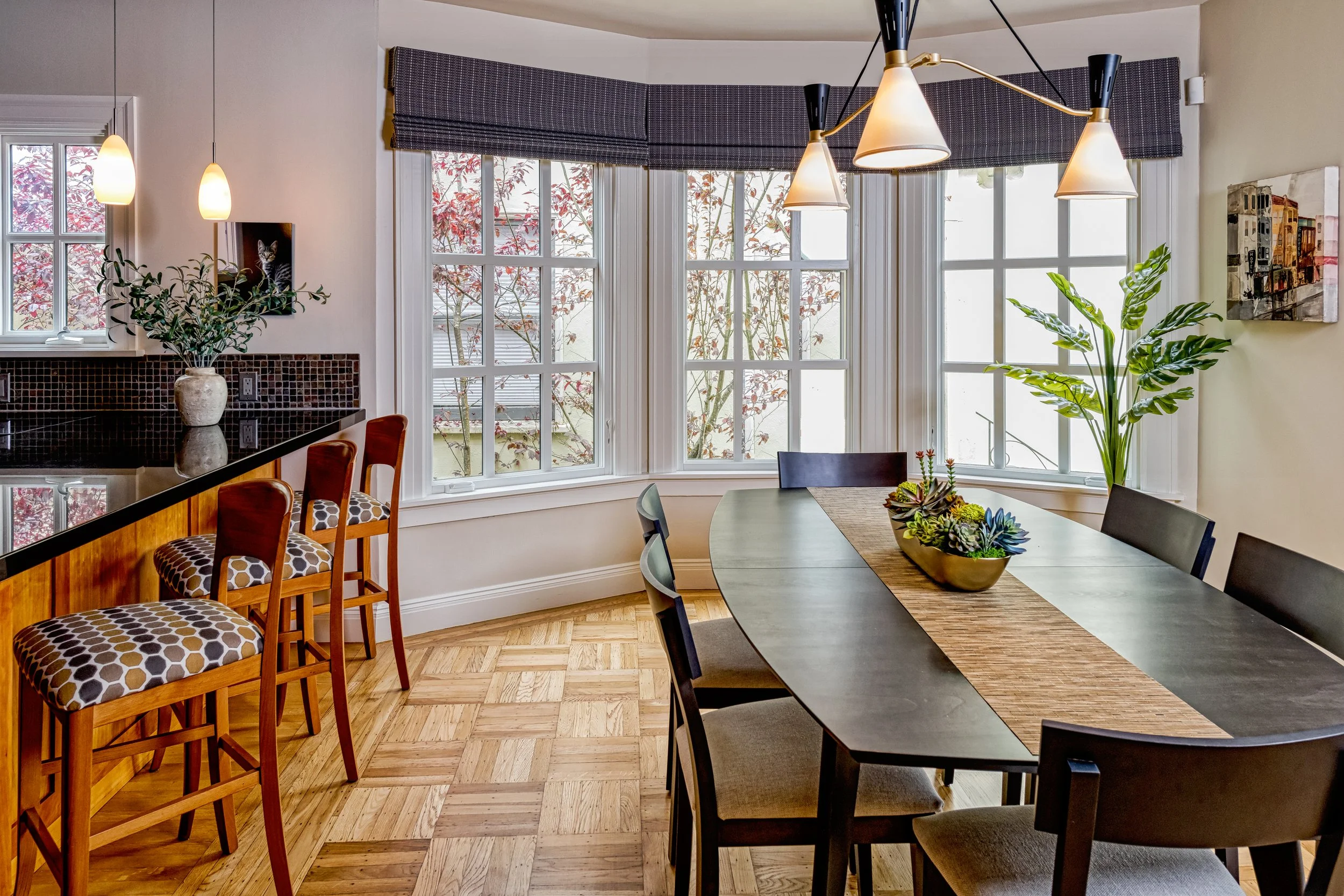
Since my client often entertains, comfortable, well-made dining chairs were a priority. The counter seating was just as important. Since the existing pieces were in great shape, we refreshed them with new padding and upholstery, an opportunity to save while elevating the look. (Photo by Rio Costantini)
Kitchens & Bathrooms
These spaces naturally require more thoughtful investment because many of the elements are built-in cabinetry, countertops, plumbing fixtures, and appliances.
If you’re looking to be mindful with your investment dollars, consider a phased approach. You might select more moderately priced appliances or lighting, knowing you can upgrade over time.
Lighting
Lighting has a powerful influence on how your home feels throughout the day. Good lighting invites you into the space in a pleasing way.
A layered approach creates both function and atmosphere:
Overhead lighting to illuminate the room (i.e., recessed lighting or ceiling mount fixtures
Table and floor lamps for warmth
Accent lighting to highlight focal points
A few simple guidelines:
Make sure the room is properly lit. Spaces that feel consistently dim can feel draining over time.
Use dimmers whenever possible. They allow flexibility—from bright and functional to soft and relaxing.
You can be more flexible with the quality of fixtures that are out of direct view, such as higher ceiling lights, where fine details are less noticeable.
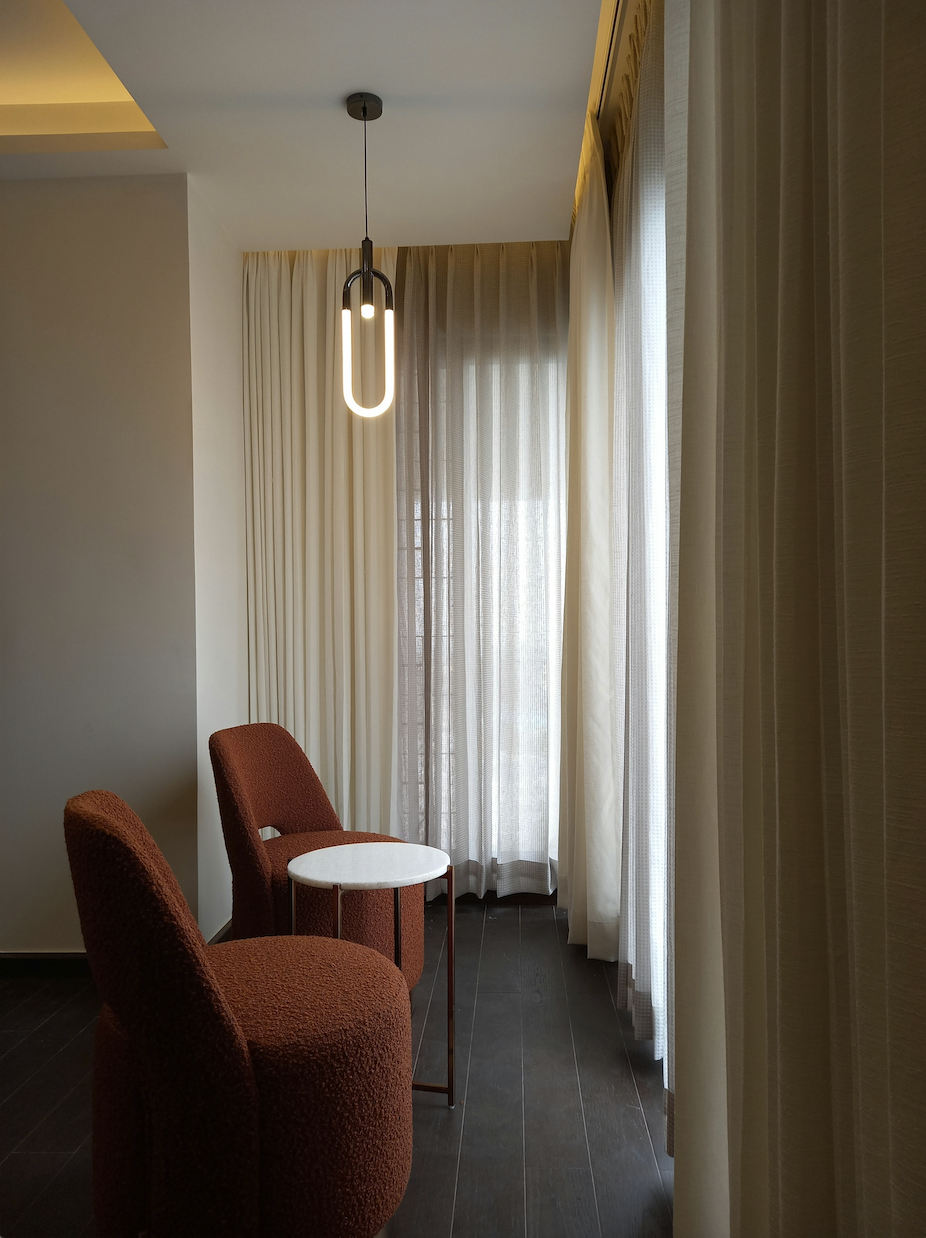
This sculptural pendant adds interest and elevates the seating area. Its soft glow brings warmth, while the clean lines keep the space calm and refined. (Photo by Shivani Chougula )
Thoughtful, Elevated Moments
Not everything needs to be custom, but incorporating a few intentional elements can bring a sense of cohesion to your home.
A piece of art that feels meaningful to you
A built-in cabinet or shelving detail
A statement light fixture or focal element
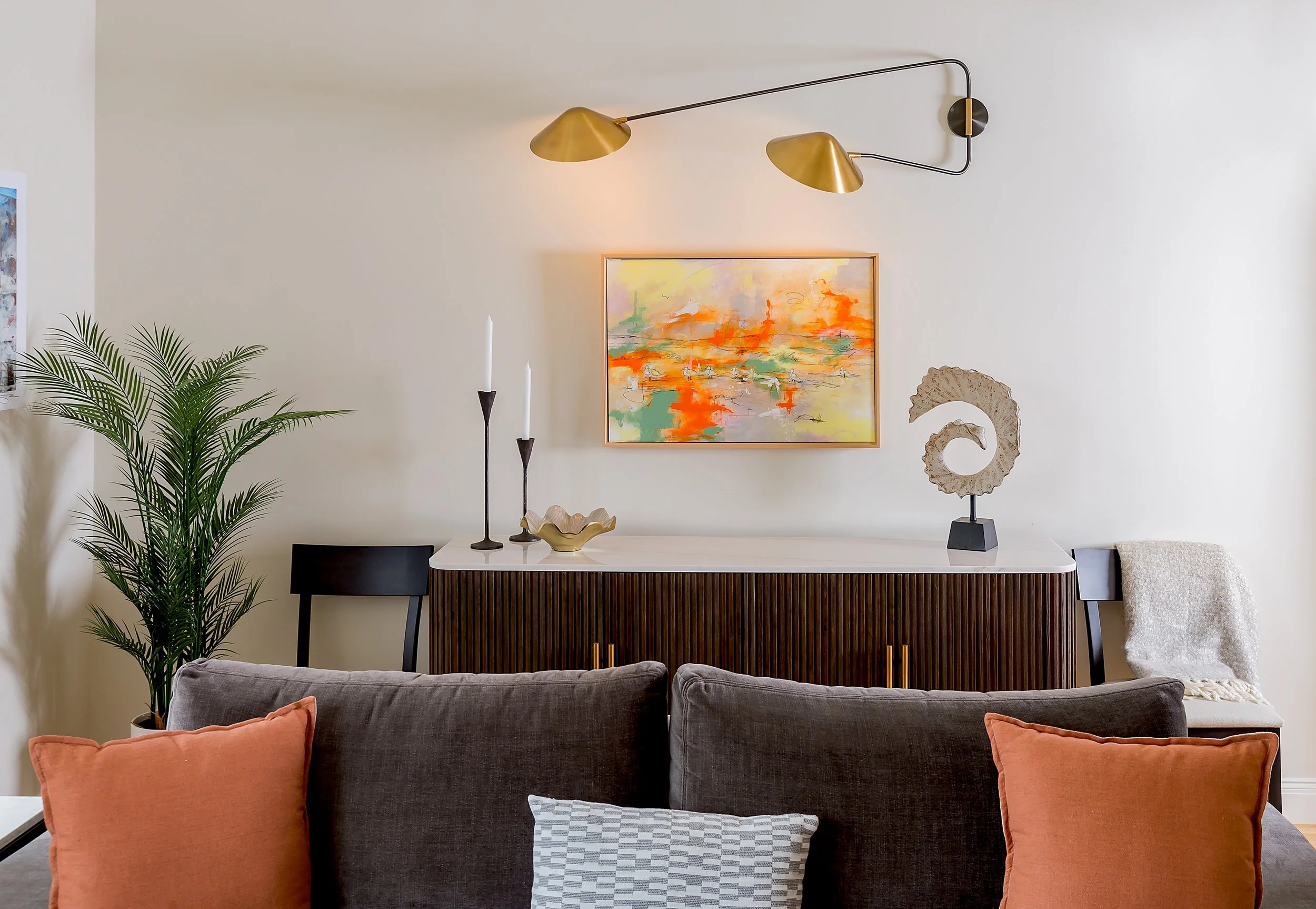
This cherished painting serves as a focal point in this living room, fitting nicely over the credenza and complementing the chosen light fixture. The light fixture does double duty by providing much-needed light. (Photo by Rio Contantini)
Where To Be More Flexible
For creating an overall elevated look within each space without breaking the bank. Try these savvy saving tips.
Decorative Layers
Accessories, pillows, and smaller décor pieces are meant to evolve. They’re an easy way to refresh your space over time without a large investment. Since they are often easy to return, this allows you to try different patterns and colors to see how they look in your space.
Trend-Forward Elements
Trends can be fun and expressive, but they’re also temporary. Incorporating them in smaller, flexible ways lets your home feel current. Trendy colors and designs can be incorporated in throw pillows, small rugs, vases, trays, and other décor items.
Secondary Spaces
Guest rooms or less frequently used areas can be a savings opportunity. You still want them to feel cohesive, but they don’t need the same level of investment as your everyday spaces.
Art & Styling
Art doesn’t need to be completed all at once. Building your collection over time often results in a more personal and layered home.
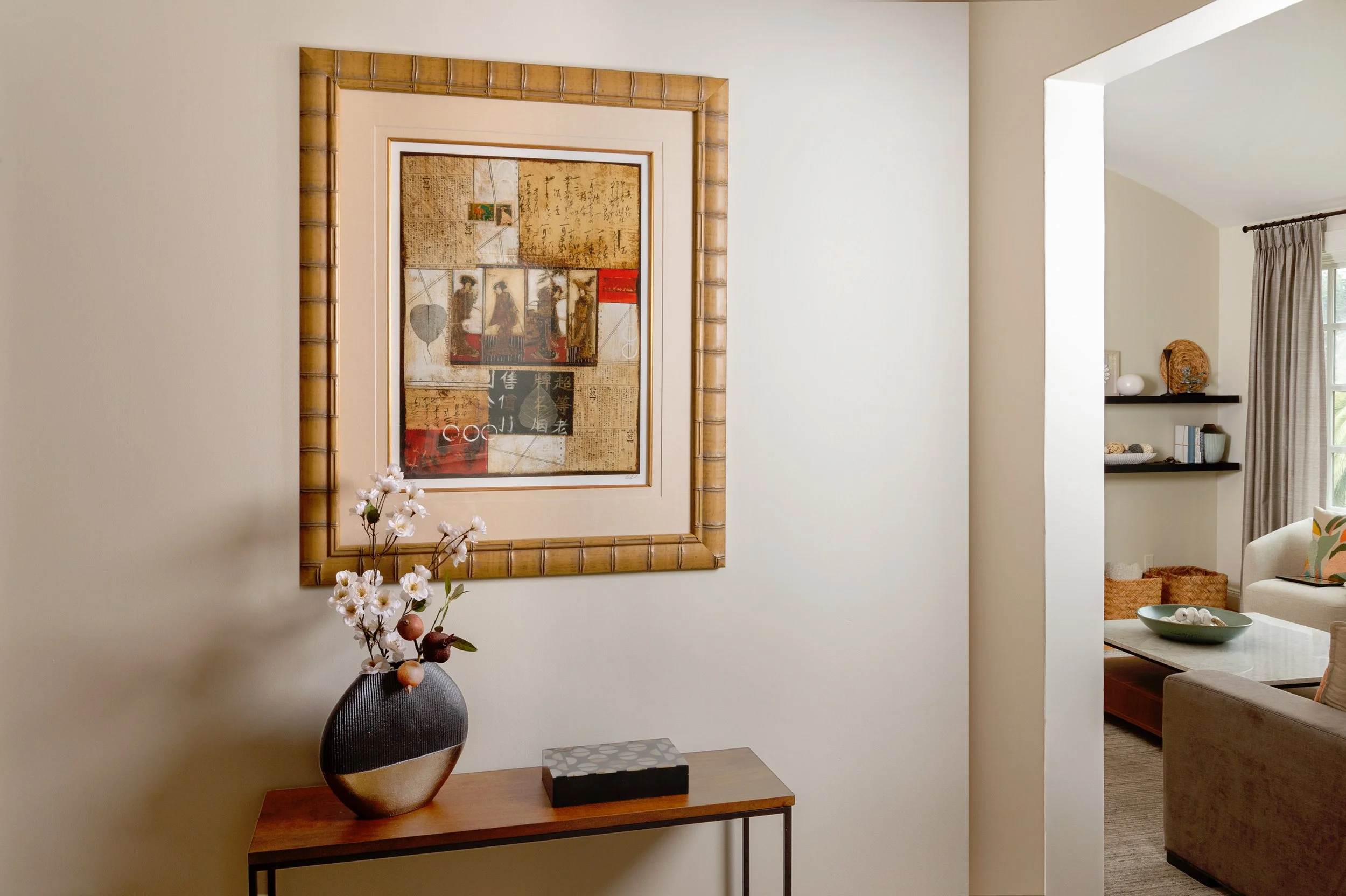
A few simple decor pieces to keep this small foyer inviting while the client looks for more timeless pieces. (Photo by Rio Costantini)
A Simple Way to Think About It
Will I use this every day?
Does this affect how my home feels overall?
Is this something I can easily change later?
If it supports your daily life, it’s worth investing in. If it can evolve over time, there’s room to be more flexible.
Final Thought
Your home should feel like a sanctuary. A place that brings calm, ease, and enjoyment to your everyday life.
When you focus your investment in the right places, everything else tends to fall into place.
